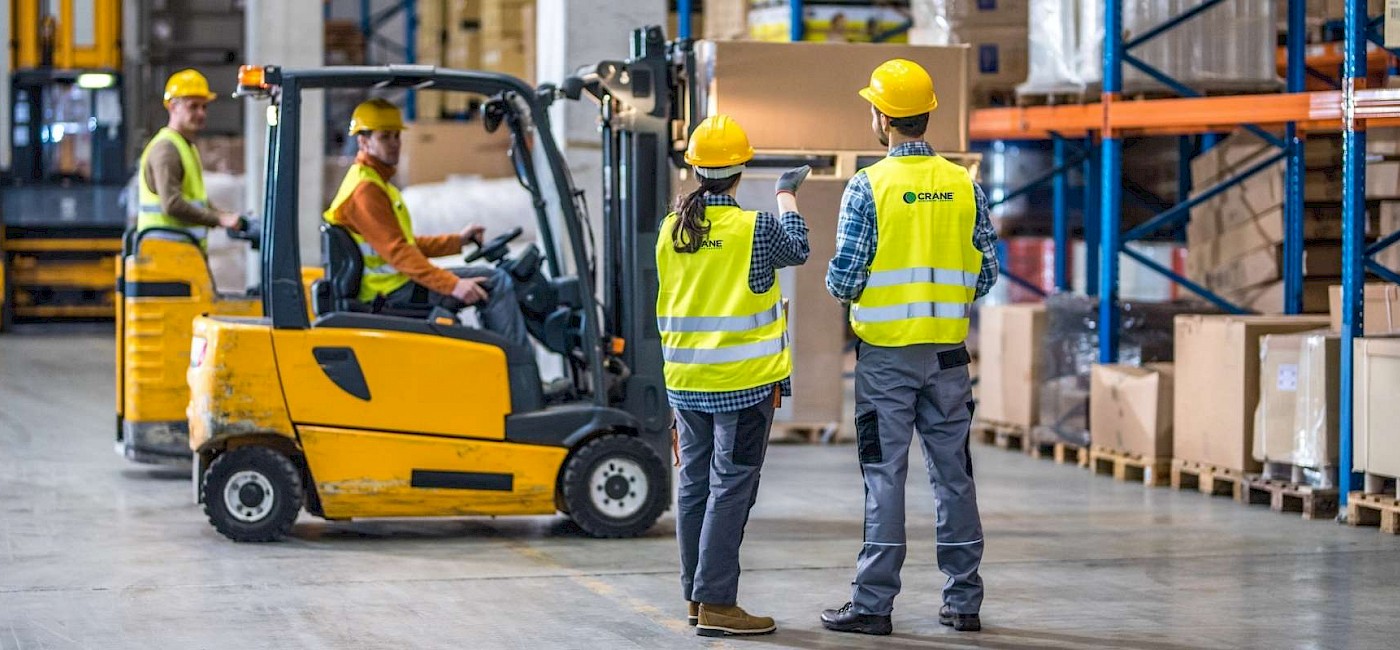
Alaska logistics services can be challenging. Alaska has unique logistical challenges, from the harsh climate to the rugged terrain. The state is also one among the least populated in the United States. Transportation options are very limited in Alaska during certain months. Alaska is home of many logistics companies that can move your goods throughout the state. These services range from freight forwarding to intermodal transportation.
Port of Alaska is Alaska's largest provider of logistics services. This gateway serves 85 percent of the state’s population. It is the only reliable gateway for large-volume freight deliveries to Anchorage and Fairbanks. In addition to serving as a major hub for transporting cargo, the Port of Alaska also provides support for the seafood industry.
CP Logistics, an Alaska logistics provider, has a significant effect on the state. This company provides supply chain management service throughout the United States, Canada, Caribbean. The company uses third-party audits to ensure quality and safety. They also have a robust SQF food safety program. With a mobile application that displays real-time shipment details, the company has made a mark in the logistics industry.
Carlile Logistics is another company that you should check out. The company is a provider of truck cabs, fuel tanksers and cargo trailers. The company is a part of the Saltchuk Resources family of companies. It has a particular emphasis on technology and innovation. Alaska-based, the company supports various projects, from building projects to oil exploration. The company continues to adapt to changing client demands.
Another noteworthy logistics company in Alaska is PRL Logistics Inc. This company provides logistical help to Gallagher Marine Systems. They have a long history of providing logistics support in Alaska. They have worked alongside companies like PenAir, Bristow Aviation, DHL, and Bristow Aviation. Their team has also worked in the Aleutians, Southeast and elsewhere.
Another logistics company that has made a big splash in Alaska is Alaska Logistics, LLC. Alaska Logistics, LLC is a company that provides barge and container transport for Alaskan customers. In addition, they also have expanded their services to include transportation of other forms of cargo. They offer everything from transport of bulk commodities to barges and containers. They frequently service Western Alaska ports as well as the surrounding villages.
It is important that any Alaska logistics company has a solid reputation for providing high-quality service. You should be ready for anything. Alaska is home of some of most extreme weather. There are also risks of flooding and eruptions from volcanoes. This can lead to major damage. A limited highway system is another problem. It is therefore essential that logistics providers are prepared to meet all the state's logistical needs.
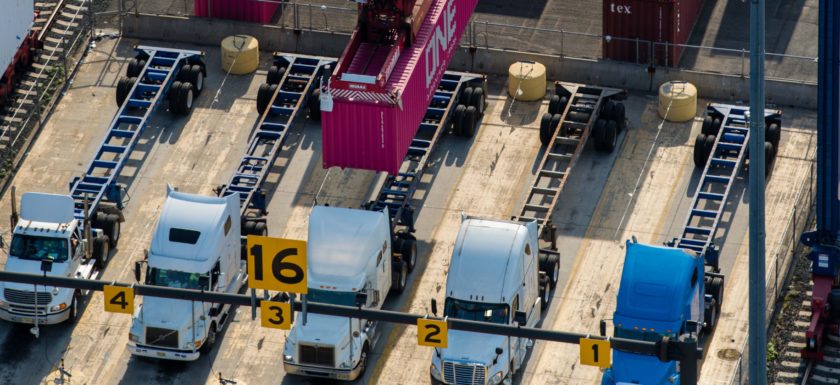
Lastly, one of the biggest logistical challenges in Alaska is moving cement. Cement is important for construction projects. Therefore, it must often be transported via air. Although this requires some planning, it is essential to be prepared for the task.
FAQ
What skills does a production planner need?
A production planner must be organized, flexible, and able multitask to succeed. It is also important to be able communicate with colleagues and clients.
What are the jobs in logistics?
There are different kinds of jobs available in logistics. Some examples are:
-
Warehouse workers: They load and unload trucks, pallets, and other cargo.
-
Transportation drivers: They drive trucks and trailers and deliver goods and make pick-ups.
-
Freight handlers, - They sort out and pack freight in warehouses.
-
Inventory managers - These are responsible for overseeing the stock of goods in warehouses.
-
Sales representatives: They sell products to customers.
-
Logistics coordinators - They plan and organize logistics operations.
-
Purchasing agents are those who purchase goods and services for the company.
-
Customer service representatives - Answer calls and email from customers.
-
Ship clerks - They issue bills and process shipping orders.
-
Order fillers are people who fill orders based only on what was ordered.
-
Quality control inspectors: They inspect outgoing and incoming products for any defects.
-
Others - There is a variety of other jobs in logistics. These include transportation supervisors and cargo specialists.
What is the difference between a production planner and a project manager?
A production planner is more involved in the planning phase of the project than a project manger.
What are manufacturing and logistics?
Manufacturing refers to the process of making goods using raw materials and machines. Logistics covers all aspects involved in managing supply chains, including procurement and production planning. Logistics and manufacturing are often referred to as one thing. It encompasses both the creation of products and their delivery to customers.
How can overproduction in manufacturing be reduced?
Better inventory management is key to reducing excess production. This would reduce the time needed to manage inventory. This could help us free up our time for other productive tasks.
This can be done by using a Kanban system. A Kanban board, a visual display to show the progress of work, is called a Kanban board. Work items are moved through various states to reach their destination in a Kanban system. Each state has a different priority level.
If work is moving from one stage to the other, then the current task can be completed and moved on to the next. A task that is still in the initial stages of a process will be considered complete until it moves on to the next stage.
This helps to keep work moving forward while ensuring that no work is left behind. With a Kanban board, managers can see exactly how much work is being done at any given moment. This allows them the ability to adjust their workflow using real-time data.
Lean manufacturing, another method to control inventory levels, is also an option. Lean manufacturing works to eliminate waste throughout every stage of the production chain. Anything that doesn't add value to the product is considered waste. There are several types of waste that you might encounter:
-
Overproduction
-
Inventory
-
Unnecessary packaging
-
Excess materials
By implementing these ideas, manufacturers can improve efficiency and cut costs.
What is the distinction between Production Planning or Scheduling?
Production Planning (PP) is the process of determining what needs to be produced at any given point in time. This can be done by forecasting demand and identifying production capabilities.
Scheduling is the process that assigns dates to tasks so they can get completed within a given timeframe.
Statistics
- It's estimated that 10.8% of the U.S. GDP in 2020 was contributed to manufacturing. (investopedia.com)
- Many factories witnessed a 30% increase in output due to the shift to electric motors. (en.wikipedia.org)
- (2:04) MTO is a production technique wherein products are customized according to customer specifications, and production only starts after an order is received. (oracle.com)
- In 2021, an estimated 12.1 million Americans work in the manufacturing sector.6 (investopedia.com)
- [54][55] These are the top 50 countries by the total value of manufacturing output in US dollars for its noted year according to World Bank.[56] (en.wikipedia.org)
External Links
How To
How to use Lean Manufacturing in the production of goods
Lean manufacturing (or lean manufacturing) is a style of management that aims to increase efficiency, reduce waste and improve performance through continuous improvement. It was developed by Taiichi Okono in Japan, during the 1970s & 1980s. TPS founder Kanji Takoda awarded him the Toyota Production System Award (TPS). Michael L. Watkins published the first book on lean manufacturing in 1990.
Lean manufacturing is often described as a set if principles that help improve the quality and speed of products and services. It emphasizes eliminating waste and defects throughout the value stream. Lean manufacturing is called just-in-time (JIT), zero defect, total productive maintenance (TPM), or 5S. Lean manufacturing eliminates non-value-added tasks like inspection, rework, waiting.
Lean manufacturing is a way for companies to achieve their goals faster, improve product quality, and lower costs. Lean manufacturing is considered one of the most effective ways to manage the entire value chain, including suppliers, customers, distributors, retailers, and employees. Lean manufacturing practices are widespread in many industries. For example, Toyota's philosophy underpins its success in automobiles, electronics, appliances, healthcare, chemical engineering, aerospace, paper, food, etc.
Lean manufacturing includes five basic principles:
-
Define Value: Identify the social value of your business and what sets you apart.
-
Reduce waste - Get rid of any activity that does not add value to the supply chain.
-
Create Flow - Make sure work runs smoothly without interruptions.
-
Standardize and Simplify – Make processes as consistent, repeatable, and as simple as possible.
-
Building Relationships – Establish personal relationships with both external and internal stakeholders.
Although lean manufacturing isn't a new concept in business, it has gained popularity due to renewed interest in the economy after the 2008 global financial crisis. Many businesses have adopted lean manufacturing techniques to help them become more competitive. Many economists believe lean manufacturing will play a major role in economic recovery.
Lean manufacturing has many benefits in the automotive sector. These include higher customer satisfaction levels, reduced inventory levels as well as lower operating costs.
You can apply Lean Manufacturing to virtually any aspect of your organization. However, it is particularly useful when applied to the production side of an organization because it ensures that all steps in the value chain are efficient and effective.
There are three types principally of lean manufacturing:
-
Just-in Time Manufacturing: This lean manufacturing method is commonly called "pull systems." JIT is a method in which components are assembled right at the moment of use, rather than being manufactured ahead of time. This strategy aims to decrease lead times, increase availability of parts and reduce inventory.
-
Zero Defects Manufacturing (ZDM): ZDM focuses on ensuring that no defective units leave the manufacturing facility. If a part needs to be fixed during the assembly line, it should be repaired rather than scrapped. This is true even for finished products that only require minor repairs prior to shipping.
-
Continuous Improvement (CI), also known as Continuous Improvement, aims at improving the efficiency of operations through continuous identification and improvement to minimize or eliminate waste. It involves continuous improvement of processes, people, and tools.